Understanding desertification
Desertification is the gradual degradation of fertile land into dry and less productive landscapes. It happens when vegetation cover decreases, soils lose moisture, and land becomes more vulnerable to erosion and drought.
Human activities such as deforestation, overgrazing, and unsustainable farming accelerate this process. Climate change and rising temperatures further increase environmental stress in semi-arid regions.
Why Dodoma Region is vulnerable
Dodoma Region lies within Tanzaniaâs semi-arid zone and experiences long dry seasons with low and unpredictable rainfall. These conditions make the region naturally sensitive to land degradation.
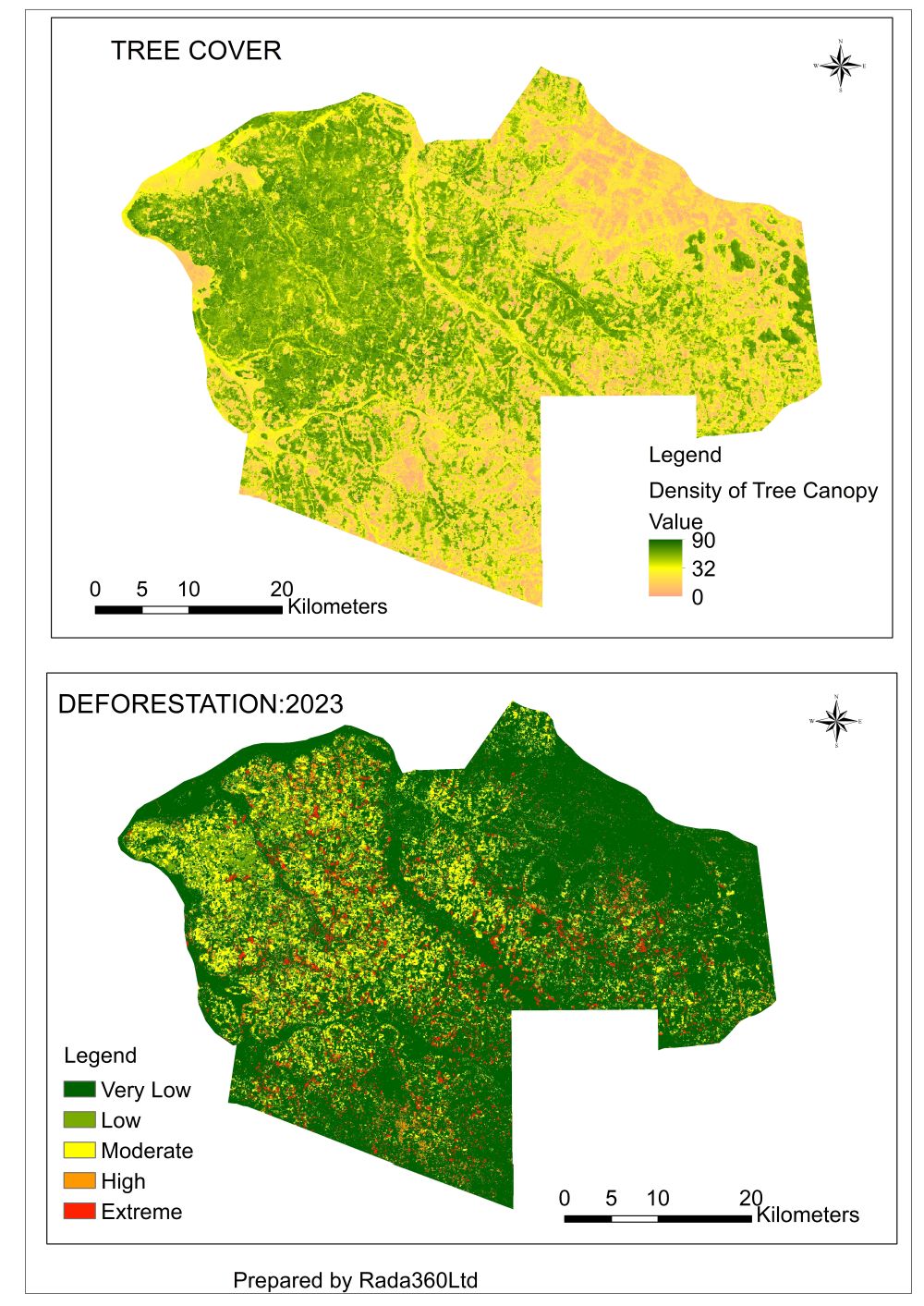
In many areas, increasing demand for farmland, charcoal production, and livestock grazing has reduced natural vegetation cover. As vegetation declines, soils become exposed to erosion and moisture loss.
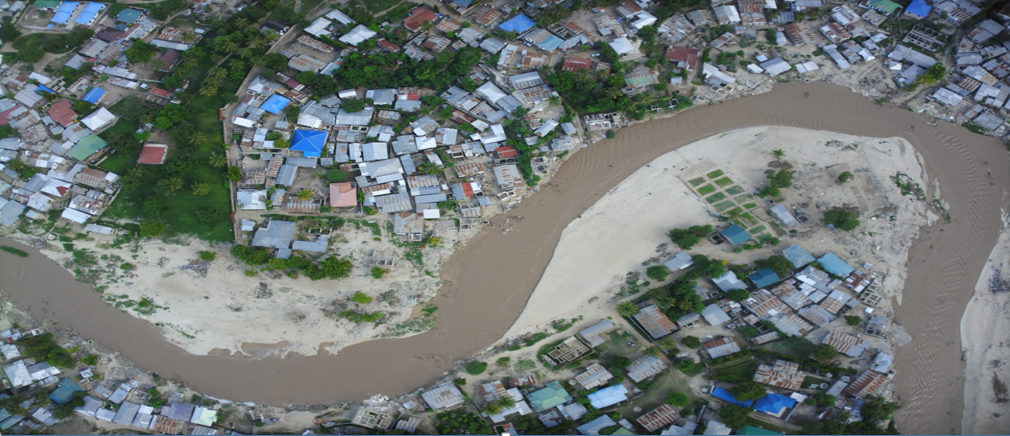
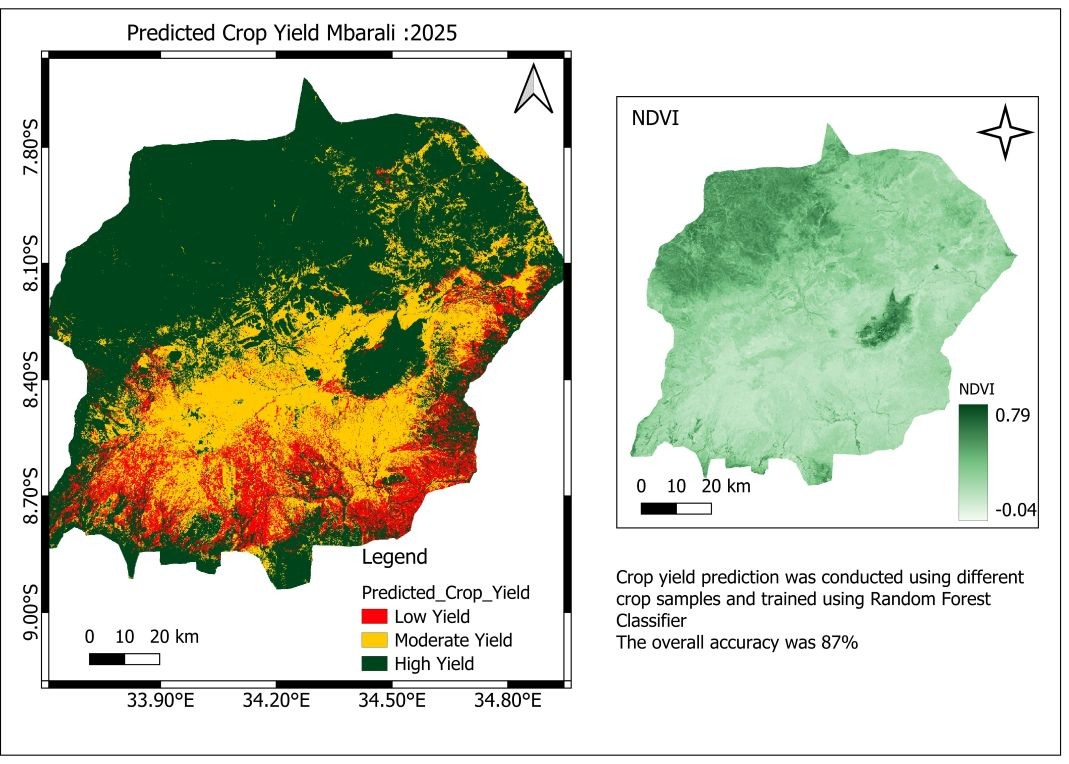
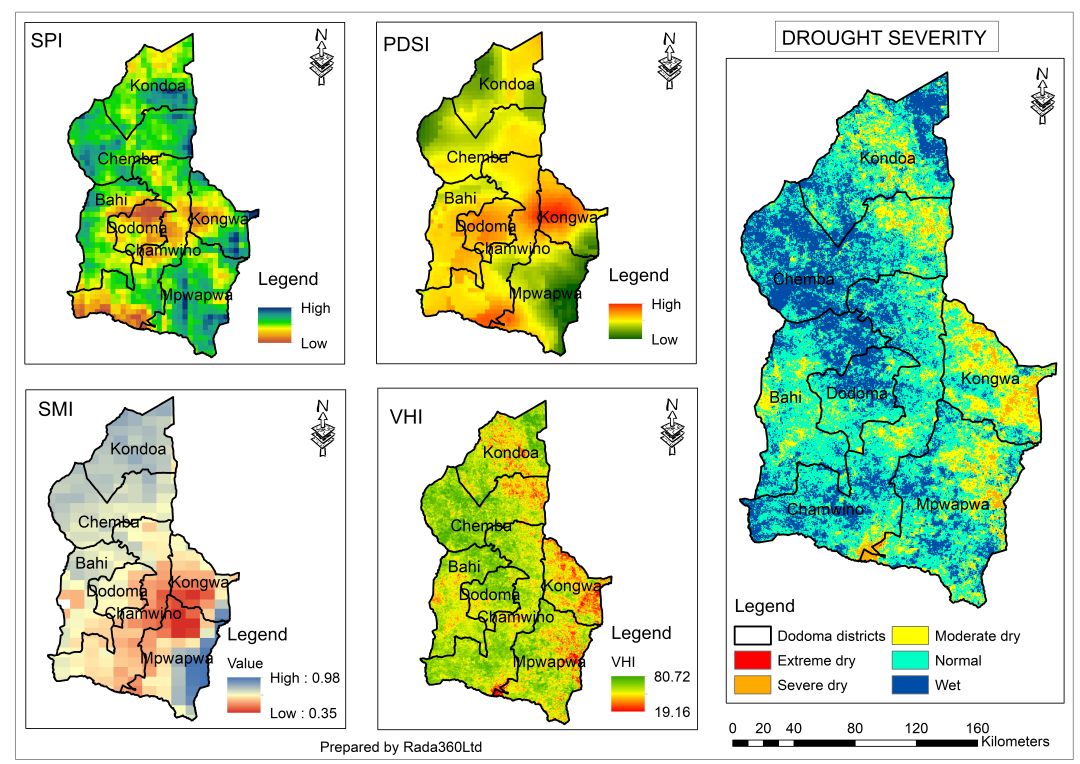
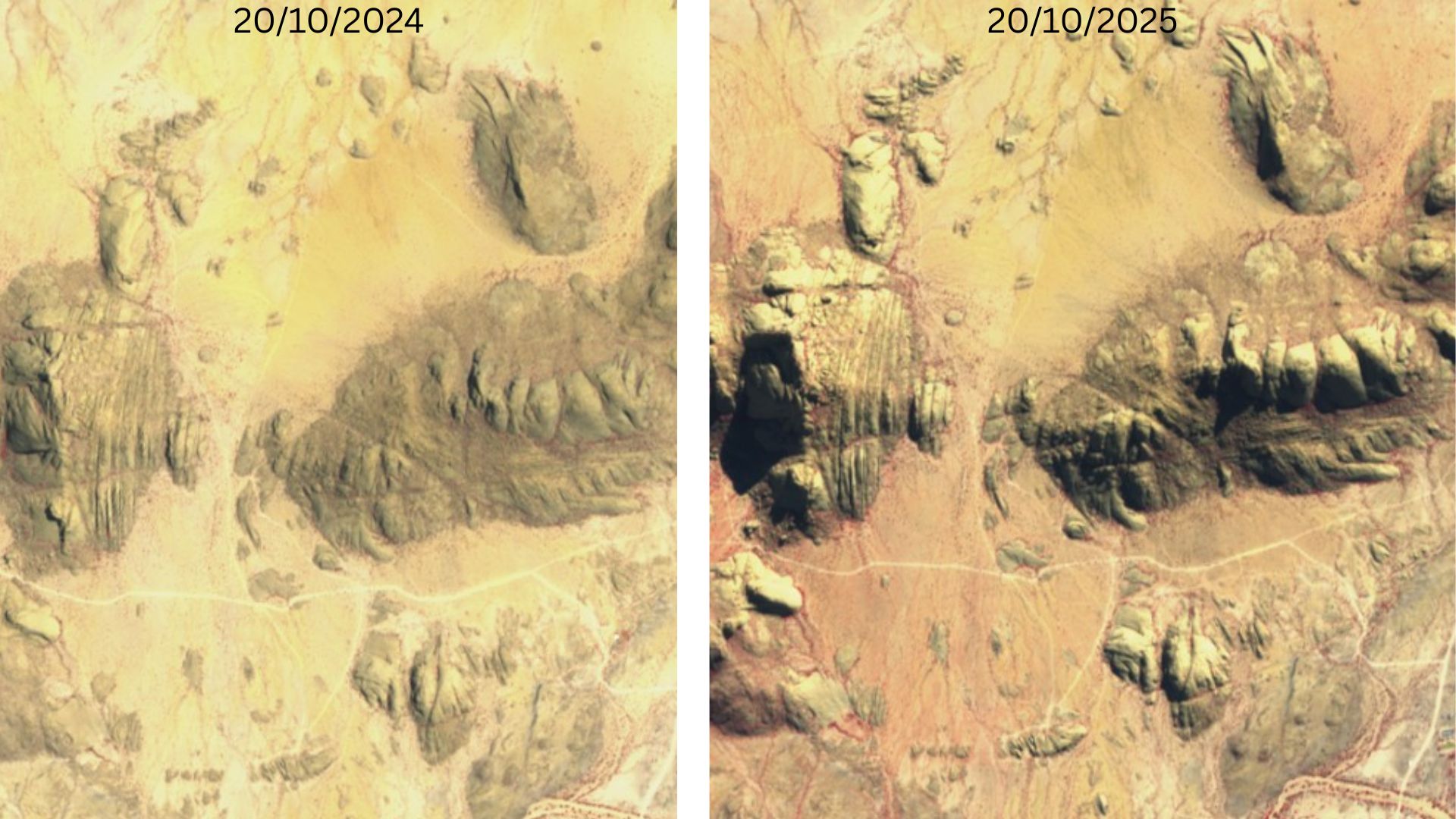
Satellite imagery across the region shows expanding bare surfaces, declining vegetation health, and signs of long-term environmental stress.
The effects of desertification in Dodoma Region
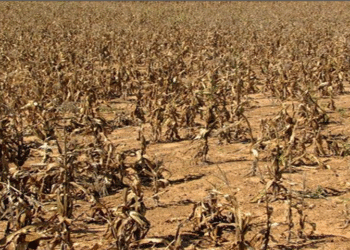
- Desertification affects both the environment and local communities. Reduced soil fertility lowers agricultural productivity and increases the risk of food insecurity.
- Livestock keepers also face challenges as grazing areas shrink and water availability declines during dry periods.
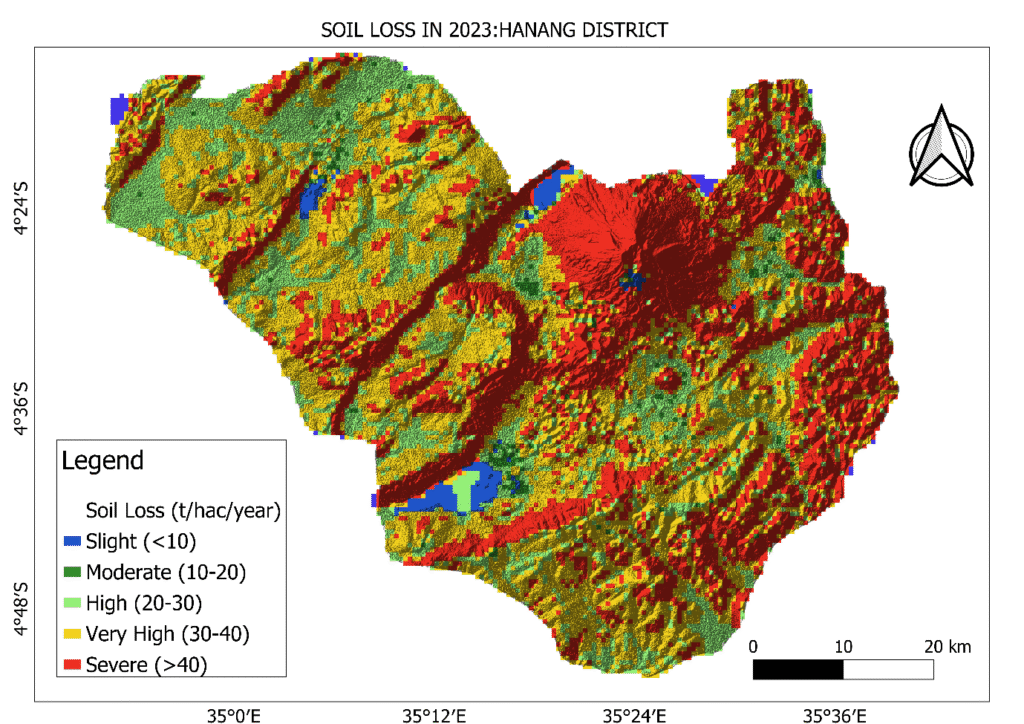
- Environmental degradation contributes to biodiversity loss, soil erosion, and increased surface temperatures. These changes reduce the landâs ability to recover from drought and climate extremes.
The role of satellite monitoring
- Satellite-based monitoring helps track environmental changes over time by observing vegetation cover, surface dryness, and land degradation patterns.
- These insights support sustainable land management, climate adaptation planning, and early identification of areas vulnerable to desertification.